
What we call coffee culture is much more than just a drink; it is a mirror reflecting a society’s hospitality, history, and outlook on life.
If your kitchen counter could talk, it would tell stories of distant lands, ancient rituals, and strange ingredients. Forget the standard latte; we are taking a trip through the “cultural gossip” of four unique brewing traditions. Pack your appetite—no visa required.
Here are the stops that will transform your kitchen into the world’s best airport:
Table of Contents
1. Sweden: The Egg Coffee Mystery (Kaffekask)
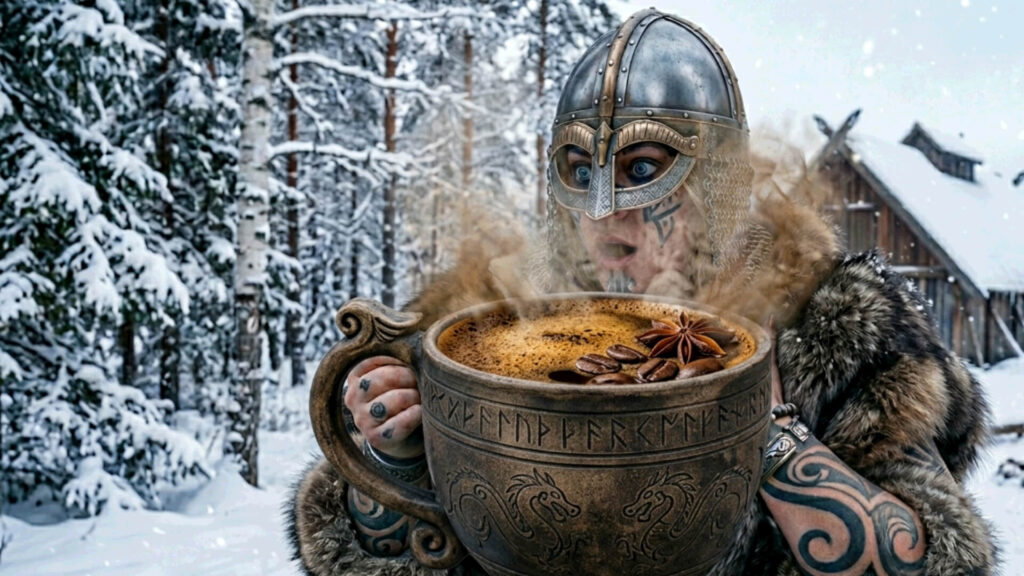
In Sweden, coffee isn’t just a drink; it’s a social institution called Fika. This practice is the backbone of Swedish coffee culture, emphasizing the need to slow down and connect. But the real “gossip” hiding in Scandinavian kitchens is the Swedish Egg Coffee. To get a crystal-clear brew, they crack a whole egg (shell included!) into the coffee grounds before brewing.
The Lore: It sounds like a kitchen accident, but it’s actually a stroke of genius born from necessity. Historically, early settlers used eggs to clarify low-quality grounds. The egg whites act as a powerful clarifier, binding to the impurities and stripping away the bitterness. It’s the “Scandi-Chic” of brewing: weird at first glance, but perfectly refined, surprisingly smooth, and amber-colored once you get to know it. It proves that within a robust coffee culture, even the most unusual ingredients have a logical purpose.
2. Vietnam: The Phin Filter’s Slow Dance
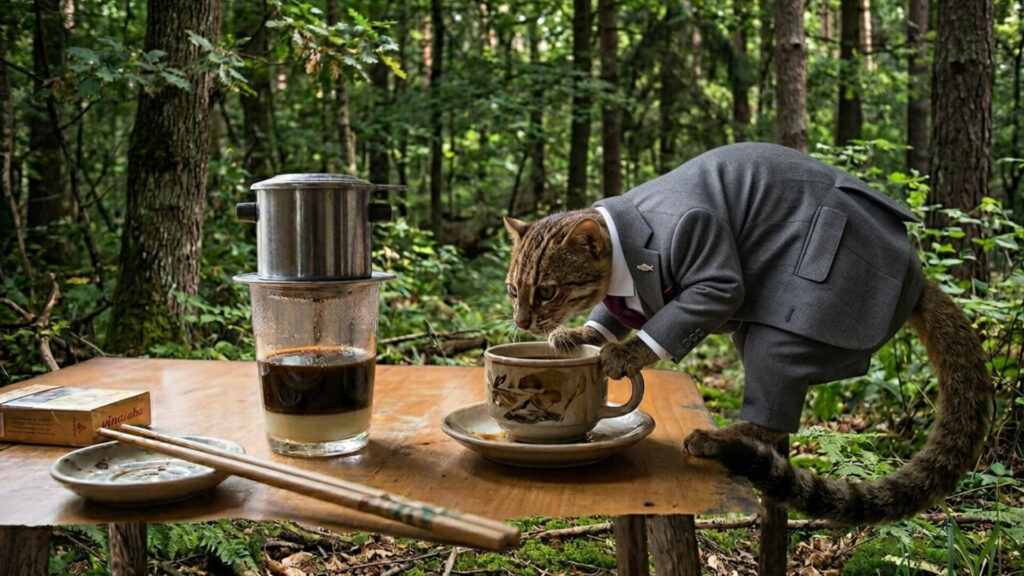
The Vietnamese Phin is a small, gravity-driven metal filter that sits right on top of your glass. It doesn’t rush. It drips—drop by painful drop—onto a thick layer of sweetened condensed milk. This slow extraction is a vital part of the local coffee culture, reflecting a lifestyle that finds beauty in the waiting process.
The Lore: This is the ultimate “patience test.” Born out of a lack of fresh milk in the mid-19th century, the Vietnamese turned condensed milk into a national treasure. The Phin is the rebel of the kitchen: it ignores all the rules of modern “fast caffeine” and forces you to watch the world go by while your cup fills up. In the humid streets of Hanoi or Saigon, this ritual is a moment of zen amidst the chaos, proving that a strong coffee culture can adapt to any environment.
3. Turkey: The Cezve and the Art of Fate
The Cezve (or Ibrik) is perhaps the oldest “gear” on your counter. It’s not just a pot; it’s a portal. Brewed with the finest grind possible—finer than espresso—and served with the foam on top, it is the only coffee on this list that invites you to look into the future. Turkish coffee culture is so significant that it has been recognized by UNESCO as an Intangible Cultural Heritage.
The Lore: The real gossip happens after the coffee is finished. In Turkish culture, the grounds left in the cup are a map of your destiny (Tasseography). The Cezve is the “Mystic Grandmother” of the countertop—it’s traditional, intense, and always has something to say about your love life or career. You never drink it in a hurry; you sip it slowly, let the sediment settle, and prepare for the revelation. This deep-rooted coffee culture connects the past, present, and future in a single cup.

4. Ethiopia: The Jebena and the Sacred Ceremony
We finish at the birthplace of coffee. The Jebena is a beautiful clay pot with a long neck, used in a ceremony that can last for hours. It’s not about a quick caffeine fix; it’s about community, respect, and hospitality. In Ethiopia, the coffee culture is spiritual.
The Lore: In Ethiopia, coffee is “Buna.” The ceremony involves roasting the green beans on a flat pan right in front of you, grinding them by hand, and wafting the aromatic smoke toward guests as a blessing. The Jebena is the “Social Butterfly” of the group; it refuses to be used alone. If you see a Jebena on a counter, you know a long, deep conversation is about to follow. To refuse a cup is considered a major social faux pas, as the coffee culture here dictates that the third round of pouring (the Baraka) brings a final blessing to the home.

Conclusion: More Than Just Caffeine
Every time you reach for one of these methods, you aren’t just making a drink; you’re engaging with a piece of global history. Whether you are seeking the social warmth of a Swedish Fika or the mystical insights of a Turkish Cezve, your kitchen counter is the best airport in the world.
Understanding coffee culture allows us to travel across continents from the comfort of our homes. These rituals remind us that despite our different languages and ingredients, we all share the same universal need for connection, one cup at a time. Which “stop” is your favorite today?
Which “stop” is your favorite today?
Tell us!